What Color Is the Sun, Actually? It Isn’t Yellow
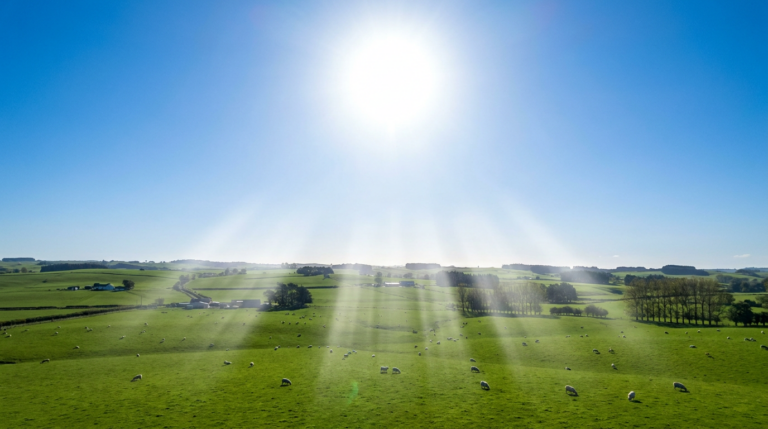
The Sun's light is actually white, not yellow. Learn why it looks yellow from Earth, white from space, and why astronomers call it a yellow dwarf star.
The Sun's light is actually white, not yellow. Learn why it looks yellow from Earth, white from space, and why astronomers call it a yellow dwarf star.
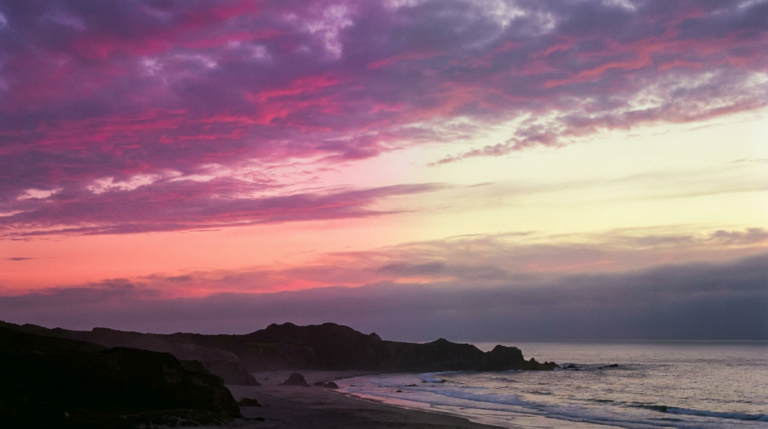
Why are sunsets different colors some nights? Pink, magenta, salmon, and pale yellow each trace to a specific, predictable atmospheric cause worth knowing.
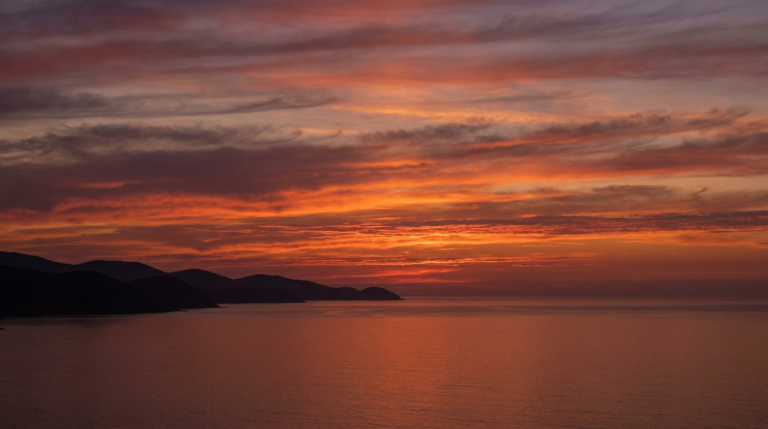
Sunsets turn orange one evening and blazing red the next because dust, smoke, sea salt, and humidity in the air shift the color, not the sun's own angle.
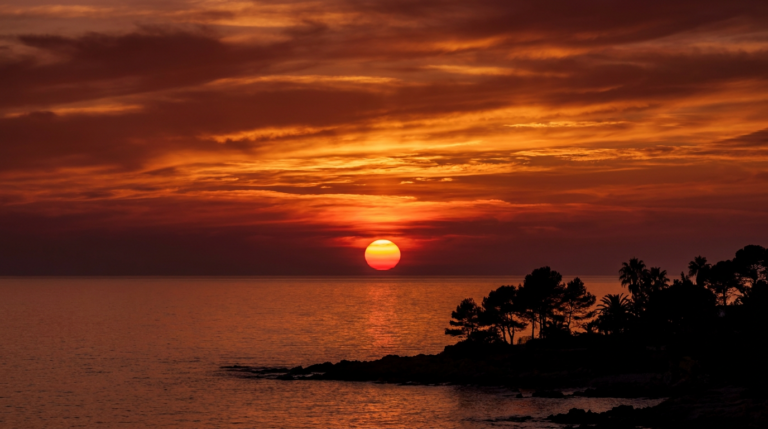
Why is the sky red at sunset? Sunlight crosses more atmosphere, losing blue light and leaving red and orange. See why some sunsets turn far deeper red.
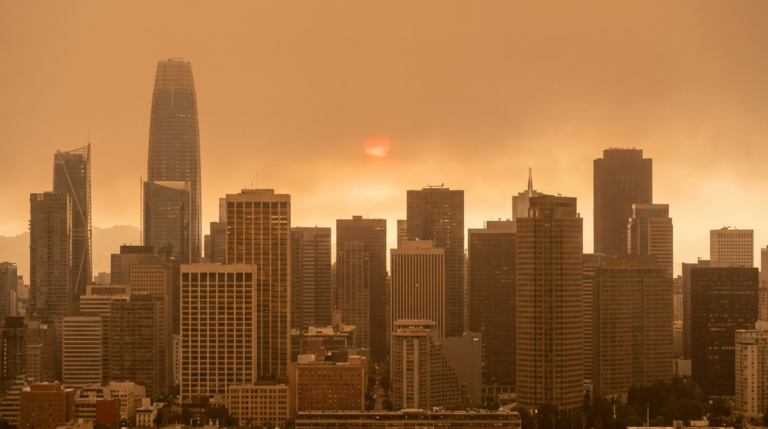
Wildfire smoke, dust, and pollution turn the sky orange, not just sunset light. See why particle size changes the color, and when smoke turns the sun red.
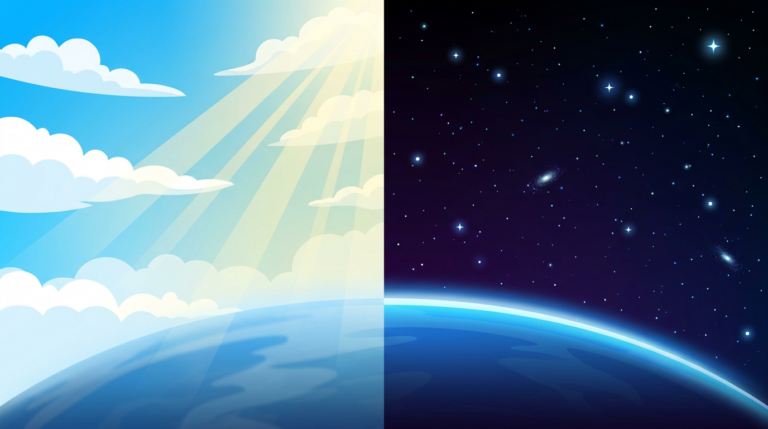
The sky is blue because air scatters sunlight in every direction. Space stays black because a vacuum has nothing left to scatter, even with the sun blazing.
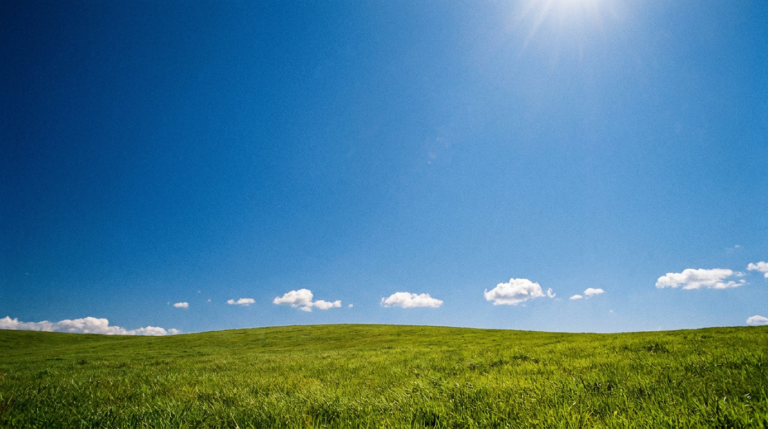
The sky is blue because of Rayleigh scattering, not ocean reflection. Learn why violet light loses out to blue, and why sunsets turn deep orange and red.

Finding the perfect magnification for planetary viewing isn’t about maximum zoom—discover why moderate power reveals the most stunning details through your telescope.

Affordable and portable, the Hestia smartphone telescope promises easy stargazing, but does it truly deliver clear views? Discover the full review inside.

Discover why the Meade ETX 90 could be your next best telescope choice in 2025, but is it truly worth the investment? Find out now.